



The Himalayas, commonly known as the “Roof of the World,” represent one of Earth’s most significant biodiversity hotspots. The region supports exceptional flora diversity due to its varied altitudes, climatic conditions, and distinct ecosystems that range from subtropical forests at lower elevations to alpine meadows at higher altitudes. This botanical diversity offers substantial potential for applications in medicine, agriculture, and environmental conservation.
Himalayan plant species demonstrate remarkable resilience and evolutionary adaptations to extreme environmental conditions. These plants have developed specialized characteristics to survive high altitudes, severe temperature fluctuations, and nutrient-poor soils. The extreme conditions of the Himalayan environment have driven unique evolutionary processes, resulting in plant species with distinct physiological and morphological traits not commonly found in other geographical regions.
The study of these adaptations provides valuable insights into plant evolution and ecosystem dynamics in high-altitude environments.
Key Takeaways
- Himalayan plants possess unique properties adapted to extreme mountain environments.
- Traditionally, these plants have been used for medicinal and cultural purposes by local communities.
- Scientific research is uncovering bioactive compounds with potential health benefits.
- Sustainable harvesting and conservation are crucial to protect these plants and their ecosystems.
- There are growing economic opportunities in pharmaceuticals and herbal products derived from Himalayan flora.
Unique Properties of Himalayan Plants
One of the most fascinating aspects of Himalayan plants is their unique properties, which often stem from their adaptation to extreme environments. For instance, many species possess specialized compounds that help them withstand harsh UV radiation and low temperatures. As I study these plants, I am particularly intrigued by their ability to produce secondary metabolites—chemical compounds that serve various functions, such as deterring herbivores or attracting pollinators.
These metabolites often have medicinal properties, making Himalayan plants a subject of great interest for researchers and herbalists alike. Moreover, the high-altitude environment has led to the evolution of certain plants with remarkable resilience. For example, the Rhododendron species found in the Himalayas are not only stunningly beautiful but also possess anti-inflammatory and antioxidant properties.
As I learn more about these plants, I realize that their unique adaptations are not just survival mechanisms; they also hold clues to potential therapeutic applications. The intricate relationship between these plants and their environment highlights the importance of preserving this biodiversity for future generations.
Traditional Uses of Himalayan Plants
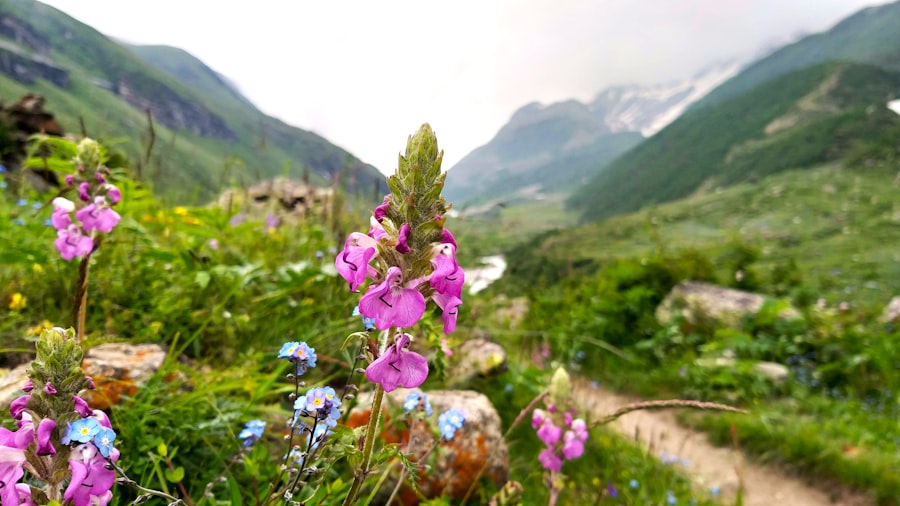
The traditional uses of Himalayan plants are deeply rooted in the cultures and practices of the indigenous communities that inhabit this region. As I immerse myself in the rich tapestry of local knowledge, I discover that these plants have been utilized for centuries for various purposes, including food, medicine, and rituals. For instance, many Himalayan herbs are integral to traditional Ayurvedic medicine, where they are used to treat ailments ranging from digestive issues to respiratory problems.
The wisdom passed down through generations reflects a profound understanding of the healing properties inherent in these plants. In addition to their medicinal uses, Himalayan plants also play a vital role in local diets. Many communities rely on wild herbs and vegetables for sustenance, incorporating them into their daily meals.
As I explore this aspect further, I am struck by the diversity of flavors and nutritional benefits these plants offer. From the tangy taste of wild garlic to the nutritious leaves of nettles, Himalayan flora provides a wealth of culinary possibilities that are often overlooked in mainstream diets. This connection between culture and nature underscores the importance of preserving traditional knowledge alongside biodiversity.
Scientific Research and Discoveries
As I delve deeper into the world of Himalayan plants, I am fascinated by the ongoing scientific research that seeks to unlock their secrets. Researchers from around the globe are increasingly turning their attention to this region, driven by the potential for discovering new compounds with therapeutic applications. Studies have shown that many Himalayan plants possess antimicrobial, anti-cancer, and anti-diabetic properties, making them valuable candidates for drug development.
The scientific community’s interest in these plants is not merely academic; it holds promise for addressing some of the most pressing health challenges we face today. Moreover, advancements in technology have enabled scientists to conduct more comprehensive studies on these plants’ chemical compositions and biological activities. Techniques such as high-performance liquid chromatography (HPLC) and mass spectrometry allow researchers to isolate and identify specific compounds with potential health benefits.
As I read about these discoveries, I am filled with hope for the future of medicine and the role that Himalayan plants may play in it. The intersection of traditional knowledge and modern science creates a powerful synergy that could lead to groundbreaking advancements in healthcare.
Potential Applications in Medicine
| Metric | Details |
|---|---|
| Research Focus | Medicinal properties of Himalayan plants |
| Number of Species Studied | 150+ |
| Key Discovery | Identification of novel anti-inflammatory compounds |
| Potential Applications | Pharmaceuticals, Herbal supplements |
| Research Institutions Involved | 5 major botanical and pharmaceutical research centers |
| Duration of Study | 3 years |
| Impact on Local Communities | Increased awareness and sustainable harvesting practices |
The potential applications of Himalayan plants in medicine are vast and varied. As I reflect on the research conducted thus far, it becomes clear that these plants could offer innovative solutions for treating a range of diseases. For instance, certain species have shown promise in combating antibiotic-resistant bacteria—a growing concern in modern medicine.
The unique compounds found in Himalayan flora may provide alternative pathways for developing new antibiotics or enhancing existing treatments. Additionally, the anti-inflammatory properties of many Himalayan herbs could be harnessed for managing chronic conditions such as arthritis or cardiovascular diseases. As I consider the implications of these findings, I am reminded of the importance of integrating traditional knowledge with scientific inquiry.
The holistic approaches used by indigenous communities can inform modern medical practices, leading to more effective treatments that consider not just symptoms but also underlying causes.
Environmental Impact and Sustainability
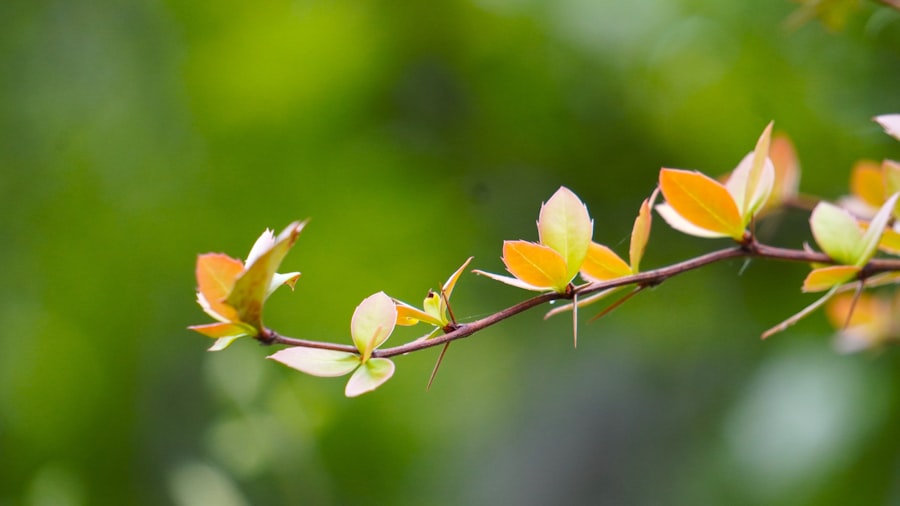
The environmental impact of harvesting Himalayan plants cannot be overlooked as we explore their potential applications. While these plants offer numerous benefits, it is crucial to approach their use sustainably to ensure their survival for future generations. Overharvesting and habitat destruction pose significant threats to many species, particularly those that are endemic to specific regions within the Himalayas.
As I contemplate this issue, I recognize the need for responsible practices that balance human needs with ecological preservation. Sustainable harvesting methods can help mitigate these risks while allowing local communities to benefit from their natural resources. Initiatives aimed at promoting conservation and sustainable use of Himalayan flora are gaining traction, emphasizing the importance of protecting biodiversity while supporting local economies.
As I engage with these initiatives, I am inspired by the potential for creating a harmonious relationship between people and nature—one that respects both cultural heritage and environmental integrity.
Economic Opportunities
The economic opportunities presented by Himalayan plants are significant and multifaceted. As I explore this aspect further, I am struck by the potential for creating sustainable livelihoods for local communities through responsible harvesting and processing of these plants. The growing global demand for herbal products and natural remedies has opened up new markets for Himalayan flora, providing an avenue for economic development while promoting conservation efforts.
Moreover, ecotourism centered around botanical exploration is emerging as a viable industry in the region. Tourists seeking authentic experiences are increasingly drawn to the Himalayas’ rich biodiversity and traditional practices surrounding plant use. By promoting responsible tourism that highlights local knowledge and sustainable practices, communities can benefit economically while fostering a deeper appreciation for their natural heritage.
As I envision this future, I see a path toward empowerment that honors both people and nature.
Future Prospects and Challenges
Looking ahead, the future prospects for Himalayan plants are both promising and challenging. As scientific research continues to unveil their potential applications, there is an opportunity to harness this knowledge for societal benefit. However, challenges such as climate change, habitat loss, and overexploitation threaten the very existence of many species.
As I reflect on these issues, I am reminded of the importance of collaboration among scientists, local communities, policymakers, and conservationists. To navigate these challenges effectively, it is essential to adopt an integrated approach that prioritizes sustainability while fostering innovation. By investing in research and education, we can empower local communities to become stewards of their natural resources while ensuring that traditional knowledge is preserved alongside scientific advancements.
As I contemplate the future of Himalayan plants, I am filled with hope for what lies ahead—a future where biodiversity is celebrated, traditional wisdom is honored, and sustainable practices pave the way for a healthier planet.
Recent research on Himalayan plants has led to significant breakthroughs in understanding their unique properties and potential applications.