


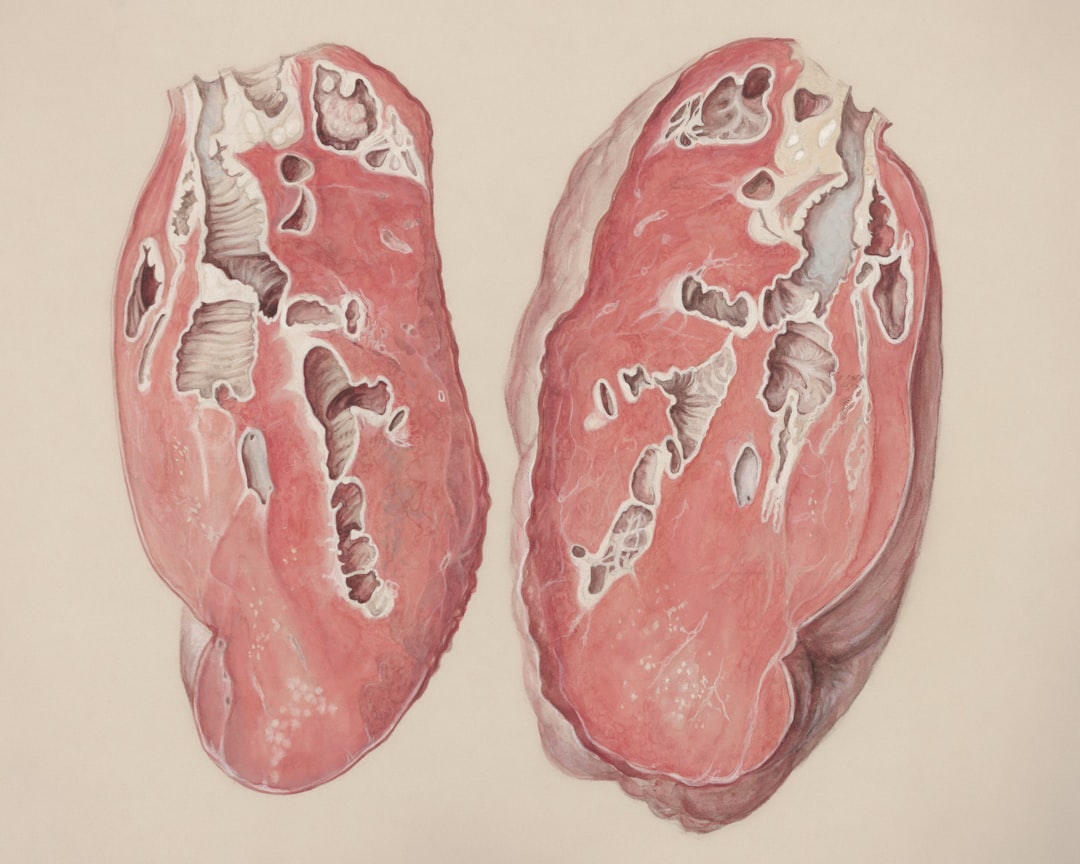
Gout is a form of inflammatory arthritis that occurs when there is an excess of uric acid in the bloodstream, leading to the formation of sharp crystals in the joints. This condition can be quite debilitating, as it often manifests suddenly and can cause intense pain. I have learned that uric acid is a waste product formed when the body breaks down purines, substances found in certain foods and drinks.
When the body produces too much uric acid or fails to eliminate it efficiently, it can lead to hyperuricemia, which is the medical term for elevated uric acid levels. Over time, these crystals can accumulate in the joints, resulting in painful attacks that can last for days or even weeks. The impact of gout on the body extends beyond just joint pain.
It can also affect other organs and systems, leading to complications if left untreated. For instance, chronic gout can result in the formation of tophi, which are lumps of uric acid crystals that can develop under the skin around joints. Additionally, I have come to understand that individuals with gout are at a higher risk for developing kidney stones and may also face cardiovascular issues.
The interplay between gout and overall health highlights the importance of understanding this condition and its potential long-term effects.
Key Takeaways
- Gout is a type of arthritis caused by the buildup of uric acid in the body, leading to painful joint inflammation.
- Common symptoms of gout include sudden and severe joint pain, swelling, redness, and limited mobility in the affected area.
- Joint pain, especially in the big toe, is a key indicator of gout, but it can also affect other joints such as the ankles, knees, and wrists.
- Recognizing gout in the joints involves identifying swelling and redness, which are often accompanied by intense pain.
- Other symptoms of gout may include nausea, fever, and fatigue, indicating a more severe flare-up that requires medical attention.
Common Gout Symptoms: What to Look Out For
Recognizing the symptoms of gout is crucial for timely intervention and management. The most common symptom I have encountered is sudden and severe pain in the affected joint, often occurring at night. This pain can be so intense that even the weight of a bed sheet can feel unbearable.
I have learned that the big toe is frequently affected, but gout can also impact other joints such as the ankles, knees, and fingers. The onset of pain is typically rapid, with many individuals reporting that they wake up in the middle of the night with an excruciating ache. In addition to pain, I have noticed that gout often presents with other symptoms that can help in identifying an attack.
These include swelling, redness, and warmth in the affected joint. The skin over the joint may appear shiny and stretched due to inflammation. I have found that these symptoms can vary in intensity and duration from person to person, but they often serve as a clear signal that something is amiss.
Being aware of these signs has helped me understand when to take action and seek medical advice.
Joint Pain: A Key Indicator of Gout

Joint pain is perhaps the most defining characteristic of a gout attack. I have experienced firsthand how this pain can be sudden and excruciating, often described as a burning or throbbing sensation. The intensity of the pain can be overwhelming, making it difficult to move or even touch the affected area.
I have learned that this pain is primarily due to the inflammatory response triggered by the presence of uric acid crystals in the joint space. The body perceives these crystals as foreign invaders, leading to an immune response that results in swelling and discomfort. What I find particularly interesting is how joint pain from gout can vary in its presentation.
While some individuals may experience only one joint affected at a time, others may find multiple joints involved during an attack. I have also come across cases where people experience recurrent episodes of pain, with periods of remission in between. This cyclical nature of gout can be frustrating, as it often leads to uncertainty about when another attack might occur.
Understanding this aspect of gout has helped me appreciate the importance of proactive management strategies.
Swelling and Redness: Recognizing Gout in the Joints
| Joint | Swelling (cm) | Redness (1-5) |
|---|---|---|
| Big toe | 2.5 | 4 |
| Ankle | 3 | 3 |
| Knee | 1.8 | 2 |
Swelling and redness are hallmark signs of gout that accompany joint pain. When I observe these symptoms, it becomes evident that inflammation is at play. The affected joint often appears puffy and may feel warm to the touch, indicating increased blood flow and immune activity in response to the uric acid crystals.
I have learned that this inflammation can lead to significant discomfort and restrict mobility, making everyday activities challenging. In my experience, recognizing these visual cues has been essential for identifying a potential gout flare-up. The redness surrounding the joint can be quite pronounced, sometimes resembling a rash or infection.
This visual aspect serves as a reminder of how gout is not just an internal issue but also manifests externally on the body. Understanding these symptoms has empowered me to take action sooner rather than later, whether it involves adjusting my diet or consulting with a healthcare professional for further evaluation.
Other Symptoms of Gout: Nausea, Fever, and Fatigue
While joint pain, swelling, and redness are the most prominent symptoms of gout, I have discovered that other systemic symptoms can also accompany an attack. Nausea is one such symptom that can arise during a flare-up, often exacerbating feelings of discomfort and distress. I have found that this gastrointestinal upset can make it challenging to maintain proper nutrition during an attack, as eating may become unappealing.
Fever and fatigue are additional symptoms that I have encountered in some cases of gout. The body’s inflammatory response can lead to a mild fever as it attempts to combat what it perceives as an invader. This fever can contribute to feelings of fatigue and malaise, making it difficult to engage in daily activities or even get out of bed.
Understanding these additional symptoms has helped me recognize that gout is not just a localized issue but can affect my overall well-being during an attack.
When to Seek Medical Attention: Understanding the Severity of Gout Symptoms
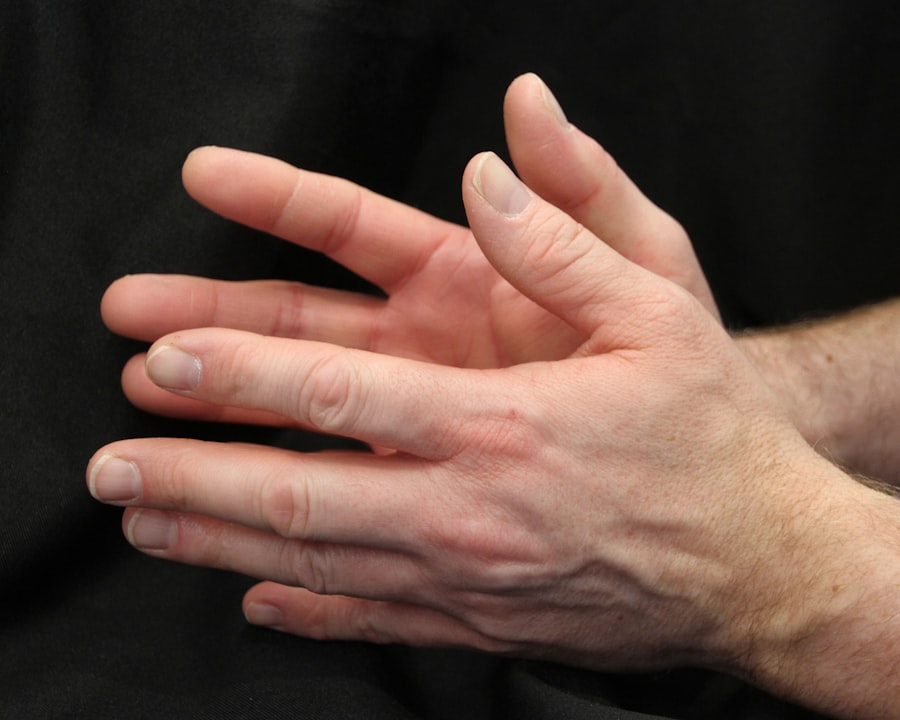
Knowing when to seek medical attention for gout symptoms is crucial for effective management and prevention of complications. I have learned that if I experience severe joint pain accompanied by swelling and redness, it is wise to consult a healthcare professional promptly. Ignoring these symptoms can lead to prolonged suffering and potential damage to the affected joint over time.
In my experience, seeking medical attention becomes even more critical if I notice systemic symptoms such as fever or persistent nausea. These signs may indicate a more severe inflammatory response or even an infection that requires immediate intervention. Understanding the severity of my symptoms has empowered me to take charge of my health and seek help when necessary, ensuring that I receive appropriate treatment and guidance for managing my condition.
Diagnosing Gout: Tests and Examinations
The process of diagnosing gout typically involves a combination of clinical evaluation and laboratory tests. When I visit a healthcare provider with suspected gout symptoms, they often begin by taking a detailed medical history and conducting a physical examination of the affected joint. This initial assessment helps them gauge the severity of my symptoms and determine if further testing is necessary.
One common diagnostic test for gout involves analyzing synovial fluid from the affected joint through a procedure called arthrocentesis or joint aspiration. This test allows healthcare professionals to directly observe uric acid crystals under a microscope, confirming the diagnosis. Blood tests measuring uric acid levels may also be conducted; however, it’s important to note that elevated uric acid levels alone do not definitively diagnose gout since some individuals may have high levels without experiencing symptoms.
Understanding this diagnostic process has helped me appreciate the importance of accurate testing in managing my condition effectively.
Treatment Options: Managing Gout Symptoms and Preventing Flare-ups
Managing gout involves a multifaceted approach aimed at alleviating symptoms during flare-ups while also preventing future attacks. In my journey with gout, I have discovered various treatment options available to help control this condition effectively. Nonsteroidal anti-inflammatory drugs (NSAIDs) are commonly prescribed to reduce pain and inflammation during acute attacks.
Medications such as colchicine may also be recommended for their ability to alleviate symptoms quickly. Beyond medication, lifestyle modifications play a crucial role in managing gout long-term. I have learned that dietary changes can significantly impact uric acid levels in my body.
Reducing intake of purine-rich foods such as red meat, shellfish, and sugary beverages has been beneficial for me in preventing flare-ups. Staying well-hydrated by drinking plenty of water has also proven helpful in flushing out excess uric acid from my system. In addition to dietary adjustments, maintaining a healthy weight through regular exercise has been instrumental in managing my condition.
Weight loss can lead to lower uric acid levels and reduce the frequency of attacks. Overall, understanding these treatment options has empowered me to take control of my health and work towards minimizing the impact of gout on my life while enhancing my overall well-being.
Gout is a form of arthritis characterized by sudden, severe attacks of pain, redness, and tenderness in joints, often affecting the big toe. For those seeking more information on managing and understanding this condition, a related article can be found on the Himalayan Miracle website. This article provides insights into natural remedies and lifestyle changes that can help alleviate the symptoms of gout. You can read more about it by visiting the following link: Symptoms of Gout.
Get the Infamma Care+ to get rid of inflammation the root cause of Gout.