



Gout is a form of inflammatory arthritis that can cause sudden and severe pain, swelling, and redness in the joints. I often think of it as a condition that sneaks up on you, striking unexpectedly and leaving you in agony. The most common site for a gout attack is the big toe, but it can also affect other joints such as the ankles, knees, and wrists.
The pain can be so intense that even the weight of a bedsheet can feel unbearable. This condition arises from an excess of uric acid in the bloodstream, which can crystallize in the joints, leading to inflammation and discomfort. Understanding gout requires a look at its historical context as well.
It has been known since ancient times, often referred to as the “disease of kings” due to its association with rich foods and excessive drinking. I find it fascinating how this condition has persisted through the ages, affecting people from all walks of life. While it was once thought to be a disease of the affluent, it is now recognized that anyone can develop gout, regardless of their lifestyle or socioeconomic status.
Key Takeaways
- Gout is a type of arthritis caused by the buildup of uric acid crystals in the joints.
- Causes of gout include genetics, diet high in purines, and certain medical conditions.
- Risk factors for gout include obesity, high alcohol consumption, and certain medications.
- Symptoms of gout include sudden and severe joint pain, swelling, and redness.
- Diagnosing gout involves a physical examination, blood tests, and joint fluid analysis.
Causes of Gout
The primary cause of gout is hyperuricemia, a condition characterized by elevated levels of uric acid in the blood. Uric acid is a waste product formed when the body breaks down purines, substances found in certain foods and drinks. I’ve learned that when my body produces too much uric acid or fails to eliminate enough of it through urine, it can lead to the formation of sharp crystals in the joints.
These crystals trigger an inflammatory response, resulting in the painful symptoms associated with gout. Diet plays a significant role in the development of gout. Foods high in purines, such as red meat, organ meats, and certain types of seafood, can contribute to increased uric acid levels.
Additionally, I’ve discovered that beverages like beer and sugary drinks can exacerbate the condition. It’s not just about what I eat; my overall lifestyle choices can also influence my risk for gout. For instance, dehydration can lead to higher concentrations of uric acid in the blood, making it essential for me to stay well-hydrated.
Risk Factors for Gout
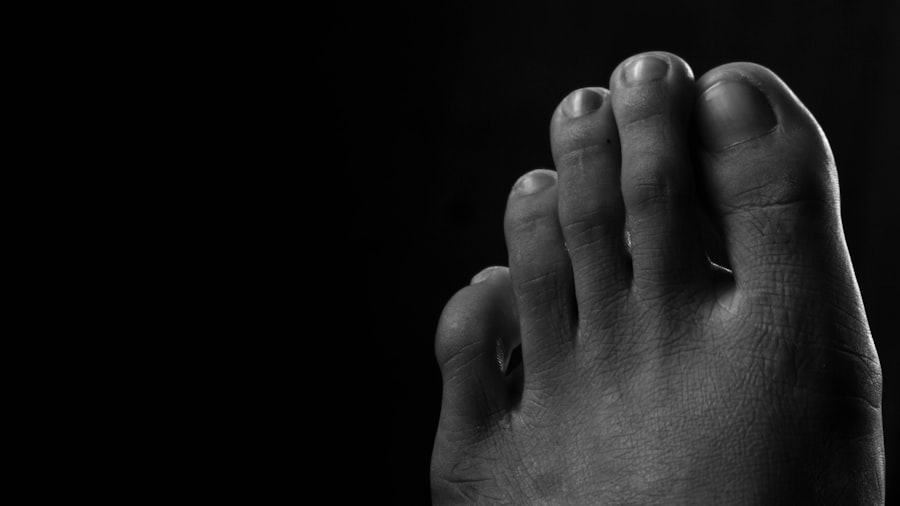
Several risk factors can increase my likelihood of developing gout. One of the most significant is age; as I grow older, my risk for gout increases. Men are generally more susceptible than women, particularly before menopause when estrogen levels help to regulate uric acid levels.
I’ve noticed that family history also plays a role; if someone in my family has had gout, I may be more likely to experience it myself. Obesity is another critical risk factor that I cannot ignore. Carrying excess weight puts additional stress on my joints and can lead to higher uric acid production.
Furthermore, certain medical conditions such as hypertension, diabetes, and kidney disease can increase my risk for gout as well. Medications that affect uric acid levels, such as diuretics used for high blood pressure, can also contribute to my susceptibility to this painful condition.
Symptoms of Gout
| Symptom | Description |
|---|---|
| Joint Pain | Intense pain in the joints, often in the big toe |
| Swelling | Redness, warmth, and swelling in the affected joint |
| Tenderness | The joint may be extremely tender to the touch |
| Inflammation | Inflammation of the affected joint |
| Limited Range of Motion | Difficulty moving the joint normally |
The symptoms of gout can be quite dramatic and often come on suddenly. I remember experiencing my first attack; it felt like my big toe was on fire. The pain was excruciating and came on without warning, often during the night.
Along with intense pain, I noticed swelling and redness around the affected joint. The area felt warm to the touch, and even the slightest movement would send waves of discomfort through me. Gout attacks can vary in frequency and intensity.
Some people may experience only one attack in their lifetime, while others may have recurrent episodes. I’ve learned that these attacks can last anywhere from a few days to several weeks if left untreated. In between attacks, I might not experience any symptoms at all, but the underlying issue of elevated uric acid levels remains.
This intermittent nature of gout can make it challenging to manage effectively.
Diagnosing Gout
Diagnosing gout typically involves a combination of clinical evaluation and laboratory tests. When I visit my healthcare provider with symptoms suggestive of gout, they usually start by taking a detailed medical history and performing a physical examination. They may ask about my diet, lifestyle habits, and family history to better understand my risk factors.
To confirm a diagnosis, my doctor may recommend a joint aspiration procedure, where they extract fluid from the affected joint using a needle. This fluid is then analyzed for the presence of uric acid crystals. Blood tests are also commonly performed to measure uric acid levels in my bloodstream.
However, it’s important to note that high uric acid levels alone do not confirm gout; some people with elevated levels may never experience symptoms.
Treatment Options for Gout
When it comes to treating gout, there are several options available that I can explore with my healthcare provider. Nonsteroidal anti-inflammatory drugs (NSAIDs) are often the first line of defense during an acute attack. Medications like ibuprofen or naproxen can help reduce pain and inflammation quickly.
In more severe cases, my doctor might prescribe corticosteroids or colchicine to alleviate symptoms. Long-term management of gout often involves medications aimed at lowering uric acid levels in my body. Allopurinol is one such medication that inhibits uric acid production, while probenecid helps my kidneys eliminate uric acid more effectively.
It’s crucial for me to work closely with my healthcare provider to find the right treatment plan that addresses both immediate symptoms and long-term management.
Lifestyle Changes to Manage Gout
In addition to medication, making lifestyle changes can significantly impact my ability to manage gout effectively. One of the most important steps I can take is to modify my diet by reducing my intake of purine-rich foods. This means cutting back on red meats, organ meats, and certain seafood while incorporating more fruits, vegetables, whole grains, and low-fat dairy products into my meals.
Staying hydrated is another essential aspect of managing gout. Drinking plenty of water helps dilute uric acid levels in my bloodstream and promotes kidney function. I’ve also found that limiting alcohol consumption—especially beer—and avoiding sugary beverages can make a noticeable difference in how I feel overall.
Regular exercise is beneficial too; maintaining a healthy weight reduces stress on my joints and helps lower uric acid levels.
Preventing Gout Flare-ups
Preventing gout flare-ups requires a proactive approach that combines medication adherence with lifestyle modifications. I’ve learned that keeping track of my triggers—whether they be specific foods or activities—can help me avoid potential attacks. By maintaining a food diary or using an app to log what I eat and how I feel afterward, I can identify patterns that may lead to flare-ups.
Regular check-ups with my healthcare provider are also crucial for monitoring my uric acid levels and adjusting treatment as needed. Staying informed about my condition empowers me to take control of my health and make informed decisions about my lifestyle choices. Ultimately, by being proactive and making conscious efforts to manage my diet and overall health, I can significantly reduce the frequency and severity of gout attacks in my life.
Gout is a form of arthritis characterized by sudden, severe attacks of pain, redness, and tenderness in joints, often affecting the big toe. For those interested in exploring more about managing this condition, a related article on lifestyle changes and dietary adjustments can be found on the Himalayan Miracle website. This article provides insights into natural remedies and preventive measures that can help alleviate the symptoms of gout. You can read more about these strategies by visiting the following link: Gout Management Strategies.
Get the Infamma Care+ to get rid of inflammation the root cause of Gout.